

integratedelectricoven5667
About integratedelectricoven5667
Guide To Fitted Ovens And Hobs: The Intermediate Guide The Steps To Fitted Ovens And Hobs
Fitted Ovens and Hobs: An In-Depth Guide to Modern Cooking Appliances
Fitted ovens and hobs have ended up being a staple in modern-day kitchens, combining functionality, aesthetics, and ingenious technology. These kitchen appliances are designed to perfectly integrate into kitchen surfaces, supplying the culinary lover with the tools required for efficient meal preparation while preserving a sleek and orderly look. In this short article, we will check out the various types of fitted ovens and hobs, their benefits, elements to think about when selecting them, and responses to often asked concerns.
Understanding Fitted Ovens and Hobs
Fitted ovens and hobs are appliances specifically designed to be built into kitchen cabinetry or counter tops for a seamless look. They can differ substantially in design, size, functionality, and functions, which deal with varied cooking requirements and kitchen styles.
Types of Fitted Ovens
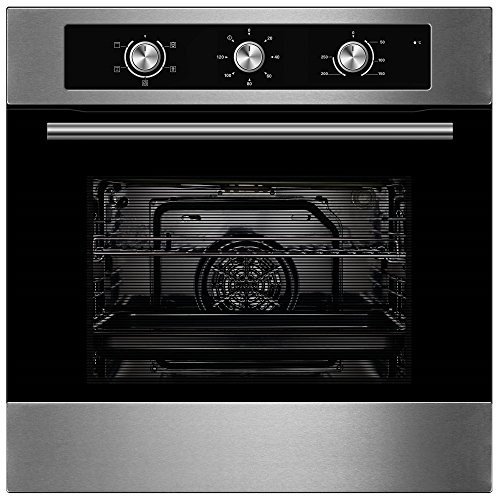
- Built-in Ovens: These ovens are installed directly into a wall or kitchen system and come in numerous configurations and sizes.
- Double Ovens: A built-in variation that includes 2 different oven compartments, enabling several dishes to be prepared at varying temperatures at the same time.
- Mix Ovens: These flexible appliances combine conventional baking with microwave innovation.
- Steam Ovens: Ovens that use steam for cooking, maintaining wetness in food while improving flavors and nutrients.
- Single Ovens: A basic oven unit that is the most typical type utilized in homes.
Kinds of Hobs
- Gas Hobs: These use gas burners for cooking, offering immediate heat and exact temperature level control.
- Electric Hobs: Powered by electrical power, these hobs typically feature smooth surfaces that make them easy to tidy.
- Induction Hobs: Utilizing electromagnetic energy, induction hobs heat pots and pans straight rather than the hob surface area, making them energy efficient and a safe alternative.
- Combined Hobs: These provide both gas and electric choices, providing flexibility for cooking designs.
Benefits of Fitted Ovens and Hobs
Fitted ovens and hobs offer many benefits that improve the cooking experience:
- Space Efficiency: Designed to fit into cabinetry, fitted appliances use up less area compared to standalone designs, producing a structured kitchen layout.
- Visual appeals: Fitted designs often develop a more cohesive and aesthetically appealing kitchen design.
- Modification: Homeowners can select from a variety of styles, surfaces, and features to match their kitchen design and cooking requirements.
- Improved Functionality: Many modern-day fitted ovens and hobs boast innovative innovation, such as clever controls, self-cleaning functions, and accurate temperature settings, which streamline cooking.
- Safety Features: Many hobs, particularly induction designs, have safety features such as vehicle shut-off and child locks, promoting a much safer cooking environment.
Aspects to Consider When Choosing Fitted Ovens and Hobs
When choosing fitted appliances for a kitchen, numerous elements need to be thought about to guarantee the right option:
- Cooking Style: Different appliances deal with numerous cooking routines. Home cooks must assess their normal meal preparation approaches to find appropriate appliances.
- Area and Layout: Measure the readily available area in the kitchen to guarantee that the chosen appliances fit neatly without hindering motion.
- Energy Efficiency: Choose appliances with energy-efficient ratings to decrease energy expenses and environmental effect.
- Innovation and Features: Consider the preferred functions, such as clever technology, self-cleaning modes, or particular cooking functions like steam or convection cooking.
- Budget plan: Determine a budget plan before making choices to make sure that the selected designs line up with financial planning.
Table: Comparison of Different Types of Ovens and Hobs
| Home appliance Type | Pros | Cons |
|---|---|---|
| Built-in Ovens | Space-saving, adjustable design | Setup expense can be high |
| Double Ovens | Prepare multiple dishes at different temps | Uses up more space |
| Steam Ovens | Healthy cooking, retains nutrients | Normally greater expense |
| Gas Hobs | Quick heat control, chosen by chefs | Needs a gas line installation |
| Induction Hobs | Quick cooking, energy-efficient, safe | Needs compatible cookware |
| Electric Hobs | Easy to clean up, stable cooking temperature levels | Heating times can be slower |
Frequently Asked Questions (FAQs)
1. What is the difference between a built-in oven and a freestanding oven?
A built-in oven is integrated into kitchen cabinets for a smooth look, while a freestanding oven stands alone and is frequently more visible and available.
2. Are induction hobs safe to use?
Yes, induction hobs are thought about safe as they just produce heat when compatible cookware is put on them, decreasing the threat of burns.
3. Can I install a fitted oven myself?
While some people may select to set up fitted ovens themselves, it is generally suggested to work with an expert to guarantee right installation and adherence to safety standards.
4. What size of oven is perfect for a little kitchen?
In small kitchen areas, think about compact or single built-in ovens that fit within the offered space without jeopardizing on cooking performance.
5. Do fitted ovens and hobs require special upkeep?
Fitted appliances require standard maintenance, such as cleansing and routine checks. However, specific maintenance tasks depend on the kind of oven or hob.
In conclusion, fitted ovens and hobs represent the epitome of contemporary kitchen design and performance. By comprehending their types, benefits, and factors to consider, customers can make informed choices that enhance their cooking experiences while fitting seamlessly into their home. Whether developing gourmet meals or preparing household dinners, fitted ovens and hobs are valuable tools in any cooking space.
No listing found.